


.svg)
.svg)















.svg)

.svg)


-2-1.webp?width=200&name=image5%20(6)-2-1.webp)
%20(1)-1.webp?width=200&name=Eat%20(57)%20(1)-1.webp)
-1.png?width=1812&height=1072&name=TripAdvisor%20%26%20More%20Bookings%20(1)-1.png)
-2.png?width=1812&height=1072&name=Google%20Bookings%20(1)-2.png)
%20(1)-1.webp?width=200&name=Eat%20(62)%20(1)-1.webp)

-1.png?width=200&name=TripAdvisor%20%26%20More%20Bookings%20(1)-1.png)
-2.png?width=200&name=Google%20Bookings%20(1)-2.png)
-1.png?width=200&name=Instagram%20Bookings%20(1)-1.png)
-1-png.webp?width=200&name=Facebook%20Integration%20Rectangle%20(1)-1-png.webp)





.webp?width=200&name=download%20(1).webp)
%20(1)-2.webp?width=200&name=Eat%20(34)%20(1)-2.webp)
%20(1)-2.webp?width=200&name=Eat%20(18)%20(1)-2.webp)







Great food gets someone through the door once. A reason to come back gets them through the door fifty times. Those are two completely different problems, and most restaurants are only good at the first one.
Here’s where the money leaks out. You spend to win a first visit, ads, delivery placements, the works. The guest has a lovely meal. And then they evaporate, straight back into the same sea of options everybody else is fishing in. A restaurant loyalty program is how you plug that hole. Not perfectly. But it’s the most direct tool you’ve got.
And people genuinely want one. According to the National Restaurant Association, 78% of diners say they’re more likely to visit a restaurant where they can earn points, even when it’s the less convenient choice. Roughly two-thirds of restaurants already run one. So the real question was never “do I need one.” It’s whether yours is good enough to beat the four other rewards programs already sitting on your guest’s phone.
Because that’s the uncomfortable part nobody tells you. A points sticker by the register is not a strategy. It’s a sticker. The best restaurant loyalty programs run on guest data, decent timing, and rewards people actually want, and most don’t clear that bar. This is the long version of how to build a restaurant loyalty program that does.
What is a restaurant loyalty program?
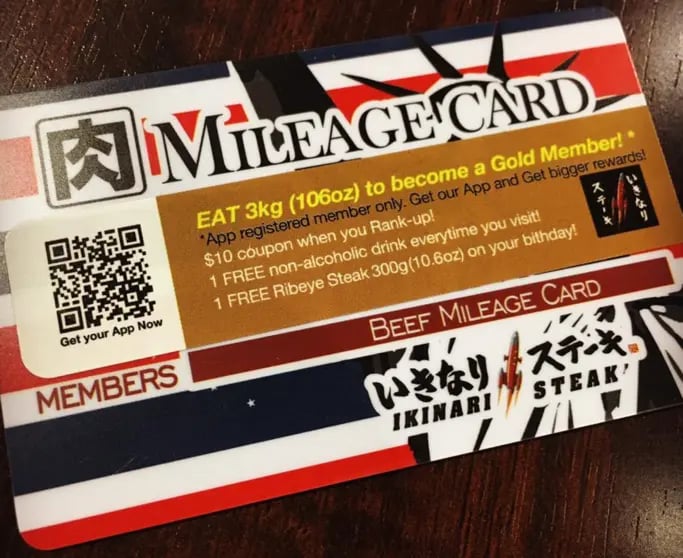
A restaurant loyalty program is a structured way to reward customers for coming back. Guests earn something with value attached, points, stamps, vouchers, free food, when they visit or spend, and they redeem rewards later. The mechanics change wildly from one place to the next. The goal never does: take a one-time visit and stretch it into repeat business. Restaurant loyalty programs run the whole range from a coffee-stained stamp card to a full digital ecosystem, and they’re all chasing that same outcome.
Most loyalty programs fall into a handful of buckets. Some hand out loyalty points for every dollar spent. Some use punch cards, where a free coffee shows up after the fifth one. Tiered systems dangle exclusive benefits as members climb. Paid memberships charge a small fee for subscription perks. Underneath all of it, customer loyalty programs run on the same boring, reliable psychology: people like being recognized, and they really like feeling that their loyalty buys them something the walk-in off the street never gets.
What actually separates a forgettable scheme from a good loyalty system? Whether it’s wired into the rest of your operation. When your rewards program talks to your reservation book and CRM for restaurants, every point earned tells you something real about customer behavior. When it doesn’t, congratulations, you’ve bought a discount machine. That gap is the whole difference between successful loyalty programs and the ones that quietly die around month six.
Do restaurant loyalty programs actually pay off?
Yes. When you run them like you mean it. The best restaurant loyalty programs lift visit frequency, grow check sizes, and hand you a guest list you actually own. Loyalty programs work for a dull reason: they reward customers for the exact thing you want more of, and racking up points gives people a concrete excuse to pick you on a night they’d otherwise drift somewhere else.
But plenty of them flop. Loads of programs rack up sign-ups and then change absolutely nothing, because nobody touched them after launch day. The difference between the ones that move the needle and the ones that gather dust is just effort. Tended well, a program makes customers feel recognized and keeps customers coming back. Tended lazily, it’s a coupon nobody remembers opting into.
Why a loyalty program is one of the smartest bets you can make
“Customers like rewards” doesn’t justify a line item. So let’s get specific.
What the numbers say about restaurant loyalty programs
The case for loyalty programs isn’t a vibe. Deloitte found 47% of restaurant loyalty members use their membership several times a month, and nearly a third use it several times a week. Square’s 2025 research found loyalty discounts are now the single most popular value play operators reach for. Translation: these programs stopped being a perk and became table stakes.
Now the catch, and it’s the one most operators miss. That same Deloitte data shows two-thirds of members belong to several loyalty programs at once. Your program isn’t competing against nothing. It’s competing against every other restaurant’s program for a slot on a phone. Generic ones lose that fight, every time. The programs that win are the ones that feel personal.
Keeping a guest is far cheaper than finding a new one
Acquisition keeps getting more expensive. Every channel that used to be cheap, social, search, the delivery marketplaces, now wants more money for less reach. The guest already sitting at your table, on the other hand, costs you almost nothing to bring back.
This is the math that’s been studied half to death, and it always lands in the same spot. Bain & Company research, led by loyalty expert Fred Reichheld, found a 5% bump in customer retention can lift profits by 25% to 95%. Loyalty programs are one of the very few levers that push that retention number directly. You’re not paying to rent a stranger’s attention. You’re choosing to reward loyal customers who already picked you once.
Loyal customers spend more and visit more
Membership changes how people behave, full stop. Across the industry, loyalty program members tend to visit more often and spend roughly 20% more per visit than non-members. That extra frequency, more repeat visits from the same faces, is what makes successful restaurant loyalty programs such a dependable revenue line. Loyalty members aren’t a rounding error. They’re often your best table, full stop. The big chains see the exact same pattern at scale, which is precisely why they keep dumping money into their rewards programs.
There’s a compounding thing happening underneath, too. A guest inching toward their next reward thinks about your place before they think about the spot down the block. Every milestone, every near-miss on a free entrée, nudges them toward one more booking. That’s repeat business you never had to advertise for. It’s also why a good rewards program quietly becomes the cheapest growth channel you’ve got.
Your program doubles as a customer data engine
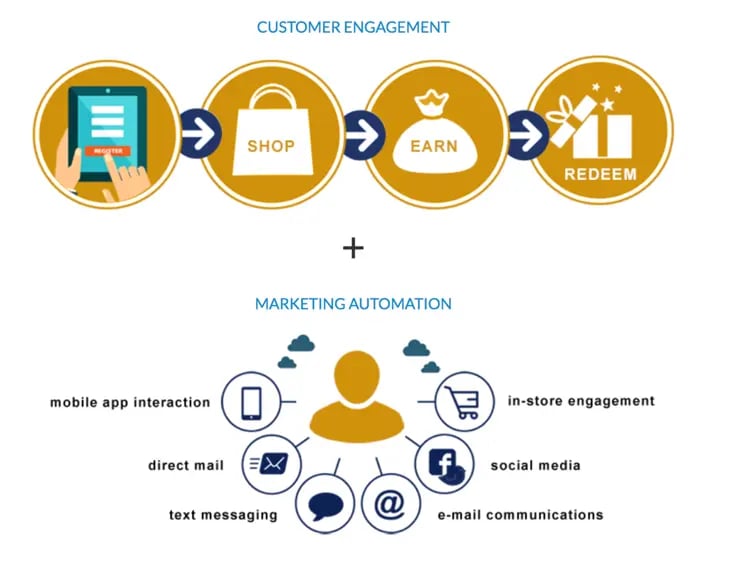
This is the one operators undervalue the most, and it drives me a little crazy. Every time a customer spends with your program attached, you learn something. What they order. When they show up. How often. What drags them back in. Digital loyalty programs quietly assemble a profile of customer habits you’d never pull off a cash register in a hundred years.
That customer data fuels everything downstream: personalized offers, sharper restaurant marketing strategies, menu calls, win-back campaigns aimed at guests who are slipping. Loyalty programs aren’t only a retention play. Run right, a loyalty program is the best marketing tool most restaurants own and don’t bother using, because it feeds your marketing team the customer behavior signals that make every campaign land harder.
The main types of restaurant loyalty programs
Not all loyalty programs work the same way, and the structure you pick quietly shapes the behavior you’ll get back. Worth saying up front: the best restaurant loyalty programs usually blend two or three of these, not just one. Here’s the lineup.
Points-based programs
The classic, and for good reason. Customers earn points for every visit or every dollar spent, then cash them in. Points-based programs are easy to grasp and endlessly tweakable, you decide how fast members earn points and what a reward costs you. Subway’s MVP Rewards and most quick-service rewards programs run on this exact model, and rewards members keep their balances topped up because earning is effortless.
The whole game is calibration. Set points too hard to accumulate and guests quit before a single reward lands. Set them too cheap and you’re handing discounts on frequent purchases you’d have gotten for free. Get it right and a points system keeps customers engaged, because every dollar spent visibly nudges them toward something good.
Tiered programs
Tiered loyalty programs are the workhorse of big-brand rewards, and the reason is status. Guests start at a base level and unlock better perks, faster earning, early access to new menu items, priority reservations, the more they spend. Tiers let your heaviest spenders feel like VIPs without making newcomers feel locked out. Everyone can see the ladder. The most loyal customers just get the view from the top.
And status is sticky in a way discounts never are. Once someone hits Gold, they will contort their life to avoid sliding back to Silver. That one bit of psychology is why tiered customer loyalty programs hold onto top spenders far better than flat ones.
Paid and subscription programs
Some brands flip the whole thing and charge for membership. Pay a monthly fee, get subscription perks, a free drink a day, free delivery, member-only pricing. Sounds backwards. Works shockingly well. People who pay to belong feel committed, and they show up to wring value out of what they paid for, which lifts visit frequency on its own.
Punch cards and visit-based rewards
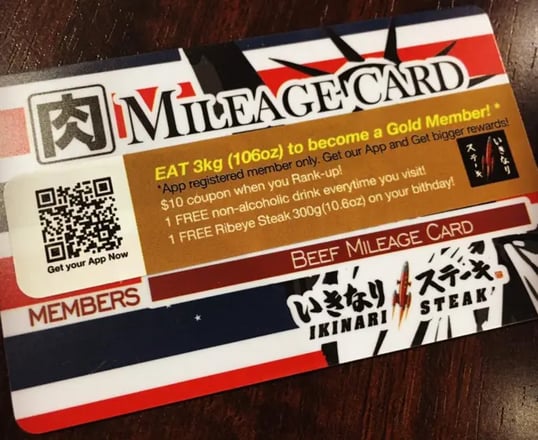
The humble punch card. Still earning its keep, mostly in cafés. Buy nine coffees, get the tenth free. It’s a free loyalty mechanic that’s stupidly simple to run, and the app version, a digital stamp, keeps that simplicity while finally giving you the data paper never did. Visit-based programs reward frequency over basket size, plain and simple. Guests collect stamps or points, watch the card fill, and come back to finish what they started. Don’t overthink this one.
Gamified and drop-based programs
Here’s where loyalty got genuinely fun. Gamified programs stack challenges, streaks, and bonus points on top of the basics, so earning rewards feels like play instead of admin. Hit a streak, clear a challenge, earn bonus points, and the loop reels people back in. Those bonus points feel like a tiny win every single time. Let members earn bonus points for trying new menu items and you’ll nudge them straight into the corners of the menu they always skip. Customers earn points faster, and, just as important, they enjoy it.
Then there are drops. Lifted wholesale from sneaker culture: brands release limited exclusive rewards to members before anyone else can touch them. Taco Bell’s Taco Tuesday Drops and Pizza Hut’s Hut Rewards merch drops sold out fast, because scarcity plus membership equals FOMO. Per data cited by Restaurant Business, 45% of consumers chase drops because the items are hard to get, and 48% want access to exclusive products. For a younger crowd, early access beats another 10%-off coupon every time, and it isn’t close.
What the best restaurant loyalty programs get right
You really don’t have to guess here. The biggest QSR loyalty programs have burned years and fortunes figuring this out so you don’t have to. These brands didn’t go huge by accident. So here’s what the standouts actually do, and what’s worth stealing for your own program.
Starbucks Rewards
The benchmark, like it or not. As of early 2026, Starbucks Rewards counts 35.5 million active U.S. members and drives close to 60% of the company’s U.S. company-operated revenue, north of $13 billion a year. Members earn Stars for every dollar spent and redeem rewards for free beverages, food, and the endless customizations.
But the points aren’t the magic. The personalization is. The app reads your customer habits and serves up personalized rewards, double-Star days timed to when you actually buy, birthday rewards, challenges pitched just slightly past your normal spend. Rewards members feel known, and that feeling, way more than the free latte, is what keeps them loyal. Starbucks Rewards is the textbook case of data taking a plain point scheme and making it one of the most successful loyalty programs on the planet. Borrow shamelessly.
The Chipotle Rewards loyalty program
Chipotle launched its rewards program in 2019, let members start earning points toward free menu items from day one, and grew it to nearly 40 million members, one of the fastest climbs the business has seen. Chipotle Rewards gets members in more often and spending more once they’re there, and Chipotle keeps it from going stale with a gamified layer aimed at younger guests, challenges, bonus points, limited drops. Chipotle Rewards proves the one thing too many operators forget: a program is never finished. The restaurant customer loyalty programs that keep winning are the ones that refuse to sit still.
Panera Bread’s loyalty program
MyPanera is one of the oldest big-brand programs going, and its strength is plain reach. Panera Bread’s loyalty program follows the guest across every channel, in-store, app, web, online ordering, so rewards are simply always there no matter how someone orders. That consistency is the entire point. A program that only works at the counter quietly punishes your digital business and annoys members who long since moved to online ordering.
Pizza Hut’s Hut Rewards
Pizza Hut’s Hut Rewards is points done simply: members earn points for every dollar spent, then redeem points on pizza. What dragged Hut Rewards back into the conversation was the pivot to drops, that limited Space Jam merch that sold out and pulled lapsed members back into the app. Hut Rewards is proof that even a no-frills rewards program can spark fresh customer engagement with the right exclusive rewards bolted on.
Smaller and full-service programs
Loyalty is not just a fast-food game, and anyone telling you otherwise is selling something. A neighborhood wine bar might run a quiet “look after me” membership where regulars get the chef’s attention and a couple of exclusive benefits. The Capital Grille’s concierge tier hands members priority reservations and invites to wine tastings. The format scales down beautifully, because the underlying move, making your loyal guests feel like insiders and helping customers feel genuinely valued, costs far less than you’d assume and works for customer loyalty programs of literally any size.
How to build your own restaurant loyalty program
Ready to actually set one up? Here’s a sequence that keeps you from shipping something half-baked. The strongest restaurant loyalty programs all started right here, with a plan and not a logo.
Step 1: Decide what you actually want it to do
Every successful restaurant loyalty program starts with a goal, not a reward. Most loyalty programs that fizzle skipped this exact step. So: do you want more frequent visits from existing regulars? A higher average order value? More weekday traffic? More direct bookings instead of marketplace covers? The objective picks the mechanics for you. A program built to lift visit frequency rewards customers for repeat visits. One built to grow check size rewards how much a customer spends. Different goals, different machines.
Write the goal down somewhere you’ll see it. It’s the filter every later decision runs through, and it’s what makes your loyalty program resonate with the guests you most want to keep. Skip it and you’ll build a program that pleases nobody in particular.
Step 2: Pick a loyalty system that connects to everything
This is the make-or-break call, and people get it wrong constantly. A standalone rewards app that doesn’t talk to your reservations or guest profiles gives you points and nothing else, a sad little island. You want loyalty tools wired into the same platform that runs bookings, messaging, and your guest database, so a point earned instantly becomes a data point you can act on.
If you’re shopping around, our roundup of the best restaurant loyalty apps and programs breaks the leading platforms down by size and use case. Short version: an integrated loyalty system beats a bolt-on every time, no exceptions, because it closes the loop between earning points and doing something with what you learn.
Step 3: Design rewards people actually want
A reward has to land as tangible value or members won’t lift a finger. Free food rewards work because they’re concrete, a free drink, a free appetizer, a free entrée at a milestone. Discounts work too. But lean on them too hard and you train customers to just wait for the deal, which is the opposite of what you wanted.
So mix it up. Pair everyday earning with the occasional surprise: birthday rewards, early access to new menu items, a members-only night, free menu items at the big milestones. Exclusive rewards money can’t buy, a table held on a fully-booked Friday, a tasting with the chef, often beat straight cash value, because they make customers feel special in a way a 10% discount simply can’t. The best rewards programs blend reliable points with moments money alone can’t replicate. Think of it as a rewards exchange: points in, real value out.
Step 4: Use guest data to personalize
Generic rewards get generic results, every time. Once members start earning points, you’re sitting on a record of customer behavior, so use it. Your loyalty program members aren’t a monolith. Segment your loyalty members by rhythm: who’s the weekly regular, who’s the once-a-month diner, who hasn’t shown up in 60 days.
Then actually tailor the outreach. Send personalized offers matched to what someone really orders. Fire a “we miss you” voucher when a regular goes quiet. Reward loyal customers with a little something on top of the standard earn, purely for being a top spender. This is exactly where a connected restaurant CRM takes a flat program and makes it personal, and lifts customer satisfaction while it’s at it. Want to go deeper? These restaurant loyalty strategies walk through dozens of ways to tune rewards to real customer habits.
Step 5: Promote it, then measure what matters
A program nobody knows about is a program nobody joins. Obvious, and yet. Push it everywhere a guest already bumps into your brand: table tents, the booking confirmation, receipts, social, push notifications in your app, the bottom of every email you send. And keep the sign-up frictionless, because it matters more than people expect, every extra field you demand quietly drops loyalty program participation.
Then, once it’s live, track the numbers that tie straight back to your Step 1 goal: repeat visit rate, redemption rate, average order value among program members versus non-members, the lift in customer retention over time. Watching the customer journey from first visit to loyal regular shows you which rewards drive customer engagement and which ones just bleed money. Building a wider funnel? Our guide to the restaurant sales funnel maps where loyalty programs sit alongside acquisition and advocacy.
Common mistakes that quietly kill loyalty programs
Most programs that flop flop for one of these reasons. None of them are exotic. That’s what makes them so easy to walk into.
Making rewards feel out of reach. Ask a customer to spend $300 before the first reward lands and the program reads as pointless, so they bail. Give people an early, attainable win, fast, to hook them into the loyalty journey before they lose interest.
Over-discounting. When every reward is a price cut, you teach customers to never, ever pay full price, and you chew through the very margins the program was supposed to protect. Balance discounts with experiential perks that build brand loyalty instead of bargain-hunting. This is the one I see most.
Ignoring the data. A program that hoovers up guest data and does nothing with it is just a wasted asset wearing a lanyard. The entire advantage of digital loyalty programs is the feedback loop. Use it, refine the offers, keep customers engaged.
Letting it go stale. The loyalty programs that win, the ones members actually rave about, keep changing. New rewards, fresh challenges, seasonal drops. Set it and forget it and engagement just quietly drifts off.
Treating delivery as an afterthought. Orders through third party delivery apps often won’t let customers earn points, which annoys members and dents your data. Wherever you possibly can, entice customers into a program they own with you, not one the marketplace owns instead.
Where Eat App’s loyalty tools come in
Almost everything above comes back to one root problem: running loyalty as a separate silo. Plenty of programs stall right there, a disconnected little island of points nobody integrated. That’s the gap Eat App’s Loyalty Suite is built to close, and honestly it’s the whole reason the suite exists.
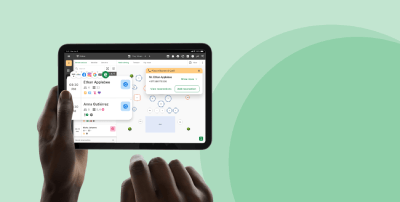
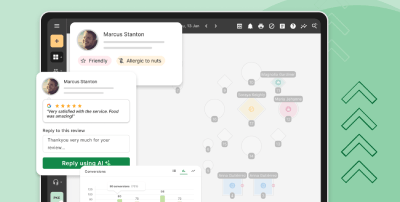
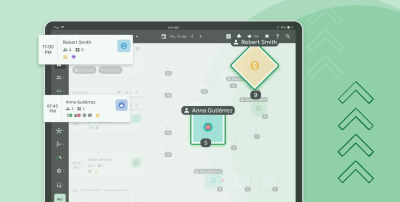
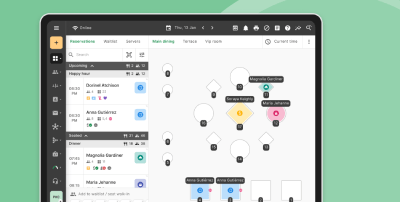
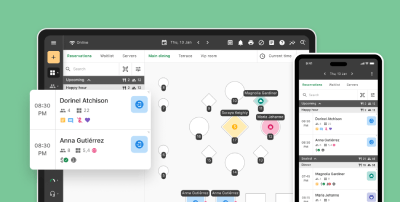
Because it lives inside the same platform as your reservations, guest database, and messaging, loyalty stops being a bolt-on and becomes part of the actual guest experience. You define how guests earn, by visit, by spend, by occasion, and the system handles the grind: tracking points, issuing vouchers, sending reminders, re-engaging the regulars who went quiet. Guests earn points automatically, redeem rewards right through a reservation or in person, and every redemption feeds back into your CRM, so you finally understand why people keep coming back.
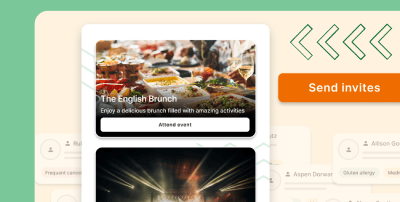
Run it under your own brand. Reward repeat customers with loyalty points they can spend like currency, exclusive vouchers, a free dessert, VIP perks like priority reservations on a packed night. Set the rules once and the automation keeps your best guests feeling seen without piling work onto your marketing team. Pair it with the rest of your restaurant reservation software and the whole customer journey, booking through reward, runs from one place instead of five.
Want to start with the fundamentals first? Our breakdown of the top loyalty cards for restaurants and our wider notes on how to increase customer loyalty are both good next reads.
The bottom line
A restaurant loyalty program isn’t a gimmick or a nice-to-have anymore. It’s one of the most direct ways to grow repeat business, lift customer satisfaction, and own the guest relationship outright instead of renting it back from a delivery app at a markup. Done well, loyalty programs are how independent restaurants go toe to toe with the chains.
And if you’d rather see it than read about it, book a demo. We’ll walk you through Eat App’s Loyalty Suite running alongside your reservations and guest data, set up around your restaurant rather than a template, and you can decide for yourself. No slideshow, just the product.


%20(1)-1.webp?width=314&height=175&name=Eat%20(45)%20(1)-1.webp)
%20(1).webp?width=314&height=175&name=Eat%20(53)%20(1).webp)



.webp?width=144&height=72&name=Eat%20App%20Logo%20(3).webp "Eat App")