


.svg)
.svg)

















.svg)

.svg)


-2-1.webp?width=200&name=image5%20(6)-2-1.webp)
%20(1)-1.webp?width=200&name=Eat%20(57)%20(1)-1.webp)
-1.png?width=1812&height=1072&name=TripAdvisor%20%26%20More%20Bookings%20(1)-1.png)
-2.png?width=1812&height=1072&name=Google%20Bookings%20(1)-2.png)
%20(1)-1.webp?width=200&name=Eat%20(62)%20(1)-1.webp)

-1.png?width=200&name=TripAdvisor%20%26%20More%20Bookings%20(1)-1.png)
-2.png?width=200&name=Google%20Bookings%20(1)-2.png)
-1.png?width=200&name=Instagram%20Bookings%20(1)-1.png)
-1-png.webp?width=200&name=Facebook%20Integration%20Rectangle%20(1)-1-png.webp)




.webp?width=200&name=download%20(1).webp)
%20(1)-2.webp?width=200&name=Eat%20(34)%20(1)-2.webp)
%20(1)-2.webp?width=200&name=Eat%20(18)%20(1)-2.webp)







Singapore has the most crowded reservation-tech market in Southeast Asia relative to its size Chope, Oddle, Quandoo and a handful of global platforms all competing for a few thousand restaurants packed into 730 square kilometres. That density changes the calculation. In a market where diners will happily cross the island for a table and most discovery happens through apps and Google, the question isn't whether you need a booking system, it's how much of your margin you're willing to hand a marketplace for demand you might already own.
This guide compares the reservation platforms Singapore restaurants actually run in 2026, with SGD pricing and the per-cover maths spelled out. (Comparing platforms globally instead? Start with our guide to the best restaurant reservation systems overall.)
Singapore reservation software compared (2026)
| Tool | Price (SGD) | Per-cover fee | Free plan | Local presence | Best for |
|---|---|---|---|---|---|
| Eat App | Flat plans from $0 | None | Yes, 100 covers/mo | 24/7 live support, active in SEA | Restaurants and groups wanting flat pricing and data ownership |
| Chope | Free basic; pro tiers ~S$69–199/mo | Yes, historically ~S$1/diner | Basic tier | Strong, SG head office, Grab-owned | Marketplace demand and dining deals |
| Oddle Reserve | ~S$215/mo All-Access (750 bookings), then ~S$0.30/booking | No | No | Yes, Singapore-built |
Restaurants wanting reservations bundled with ordering and CRM |
| Quandoo | Subscription + per-cover + setup fee | Yes | No | Regional | Marketplace exposure via Quandoo's network |
| TableCheck | Quote-based | No | No | Regional, hotel-focused | Hotel F&B and multi-outlet groups |
| SevenRooms | Quote-based, S$700+/mo territory | No | Limited | Via hotel groups | Luxury hotels and large groups needing deep CRM |
| Tableo | Low-cost tiers | No | Yes | Remote (EU hours) | Budget single-outlet operators |
Pricing checked July 2026. Marketplace platforms quote per venue confirm your rate before signing.
1. Eat App
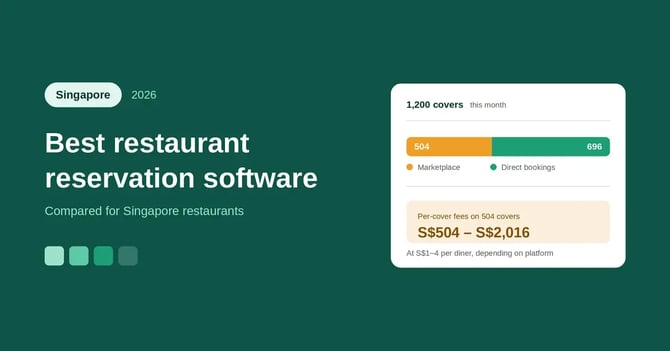
Eat App's pitch in Singapore is straightforward: flat monthly pricing, no per-cover fees, and a guest database that belongs to you rather than to a marketplace. In a market where the dominant platforms bill by the diner, that difference compounds fast a Robertson Quay restaurant seating 1,200 marketplace covers a month is paying four figures annually for guests it could be booking directly.
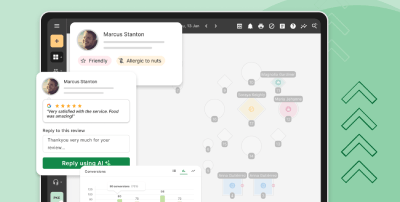
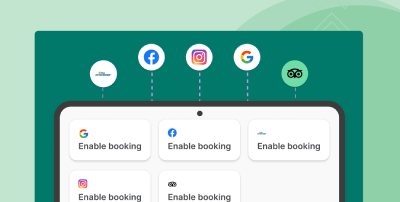
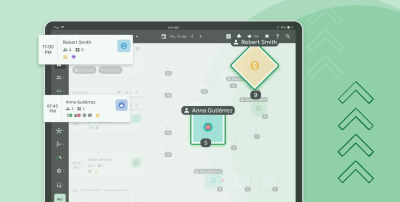
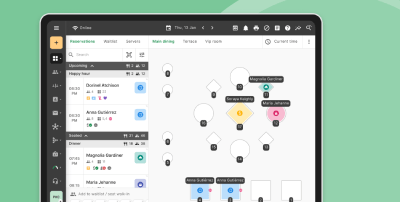
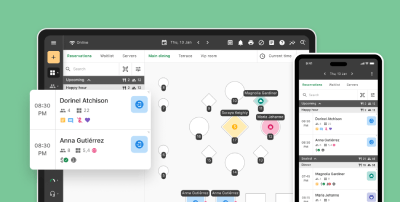
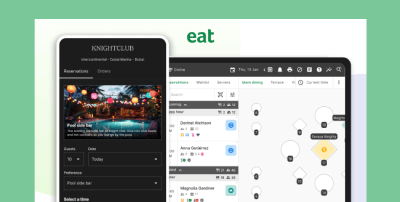
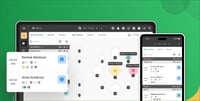
The platform handles the full front of house: restaurant reservation software with a live floor plan, a guest CRM with visit and spend history, automated SMS and WhatsApp confirmations, credit-card holds and deposits for peak-night protection, and direct bookings from Google, Instagram and your own site.
SG pricing (July 2026): the free plan covers up to 100 covers a month at $0 a working system not a trial with paid plans starting around US$99/month and unlimited-cover tiers above. (Editor: confirm SG tier and SGD display prices against the June 2026 sheet.)
Honest trade-off: Eat App brings no Singapore diner marketplace. Chope will put you in front of thousands of app users tomorrow; Eat App won't. If you're a new opening on a quiet stretch of Amoy Street, that marketplace push has real value. If you're already turning tables on reputation and Google, you're paying per head for demand you generate yourself.
2. Chope
Chope is the Singapore-born reservation brand that became the regional default, and since joining Grab it sits inside the country's most-used super-app ecosystem. For diners it's deals, Chope-Dollars, and a reliable booking flow; for restaurants it's genuine, immediate demand the strongest consumer pull of anything on this list.
The cost is per cover. Chope has historically charged around a dollar per diner it sends you, with paid tiers reported in the S$69–199/month range unlocking deposits and analytics. Two things to weigh: at high marketplace volume those per-diner fees become your largest software line item, and Grab ownership means your guest relationships increasingly sit inside a platform that also sells delivery to your competitors. Many Singapore restaurants run Chope deliberately as an acquisition channel and keep their book somewhere else.
3. Oddle Reserve
Oddle is the Singapore-built platform that bundles reservations with online ordering, CRM and loyalty one vendor across the whole guest lifecycle. Reserve comes inside the All-Access plan at roughly S$215/month covering up to 750 reservations, with additional bookings around S$0.30 each. Crucially, that's per booking not per cover, so a table of ten costs the same as a table of two.
It's a strong fit if you want ordering and reservations under one roof and value a local team in the same time zone. The trade-off is bundling: you're buying a suite, and the reservation module is one part of a wider platform you may not need in full.
4. Quandoo
Quandoo brings European-style marketplace reach to Singapore, and its pricing reflects that model a monthly subscription, a fee for every cover booked through its portal, app or partner network, and a one-time setup charge. Restaurants report per-cover figures in the S$2–4 range depending on the venue.
That three-part structure makes Quandoo the hardest platform here to compare honestly on price, because the headline subscription is the smallest component. Ask for a worked example at your actual volume before you sign, and read carefully which bookings count as "network" covers.
5. TableCheck
TableCheck serves Singapore's hotel dining rooms and multi-outlet groups: multilingual booking pages, prepayment, and consistent guest journeys across properties. Pricing is quote-based and enterprise-shaped. Right call if you run F&B for an international hotel brand on Orchard Road or Marina Bay; more platform than an independent needs.
6. SevenRooms
Now DoorDash-owned, SevenRooms is the CRM-heavy choice for luxury hotels and larger Singapore groups running proper guest lifecycle marketing. Quote-based pricing typically starts well above S$700/month and assumes someone on your team will actually use the marketing automation. Powerful, and comfortably overspecified for a single restaurant.
7. Tableo
Tableo's low-cost tiers and free entry plan make it the budget option for a single outlet that has outgrown a paper book. Table management and a booking widget work fine. The gaps in a Singapore context: support runs on European hours, so a Saturday-night failure at 8pm here lands at 1pm in Malta, and there's no local marketplace or SGD-native billing.
How to choose reservation software in Singapore
Do the per-cover maths first, at your real volume. This is the defining Singapore decision. Multiply your marketplace covers by the per-diner fee and add the subscription that's your true monthly cost. Flat-fee and per-booking models (Eat App, Oddle) make that number predictable; per-cover models (Chope, Quandoo) scale it with your success.
Separate acquisition from operations. Chope and Quandoo are demand channels. Eat App, Oddle, TableCheck and SevenRooms run your floor. The most disciplined Singapore operators use a marketplace intentionally for new-opening or off-peak demand and taper it as direct bookings grow — rather than paying acquisition rates on regulars for years.
Get your PDPA position in writing. Under Singapore's Personal Data Protection Act you're accountable for your guest data, including what a vendor does with it. Ask three questions of every platform: who is the data intermediary, where is the data hosted, and can you export your full guest database on exit? Marketplaces build their own diner base from your bookings know exactly what the contract leaves you.
Plan for tourist and CBD split shifts. Singapore restaurants often serve two entirely different books: expense-account CBD lunches Monday to Friday, and tourist or occasion dining at weekends. Look for per-shift capacity rules, deposit policies you can vary by daypart, and multilingual booking pages if you're anywhere near Marina Bay or Sentosa.
Check integration with your POS. Singapore independents commonly run Square, StoreHub, or a local POS, groups often run something bespoke. If covers and spend don't flow back to the POS, you lose the reporting that justifies the subscription in the first place.
Frequently Ask Questions (FAQ)
Frequently Ask Questions
Chope is the best-known consumer booking brand in Singapore and now part of Grab, with Oddle strong among restaurants wanting reservations bundled with ordering, and Quandoo holding a marketplace niche. On the operations side, the market is more mixed, with flat-fee platforms like Eat App gaining ground among restaurants avoiding per-cover fees.
From $0 to enterprise quotes. Free plans exist (Eat App at 100 covers/month, Tableo's entry tier, Chope's basic tier). Oddle's All-Access sits around S$215/month for up to 750 reservations. Marketplace platforms add per-cover fees often S$1–4 per diner which at volume typically exceed the subscription itself.
It depends on how much demand you already have. Chope delivers real, immediate diner traffic through the largest local booking app, which is valuable for new openings and quiet dayparts. Once you have a steady base of regulars, paying per diner for guests who would have booked directly becomes harder to justify which is why many restaurants keep Chope as a channel and run their book on separate software.
Eat App's free plan is the most complete at $0: 100 covers a month with a live floor plan, guest database, and Google booking integration. Chope has a free basic tier but it's marketplace-oriented, and Tableo offers a limited free entry plan.
The marketplaces do Chope and Quandoo both bill per diner seated through their networks. Eat App, TableCheck, SevenRooms and Tableo use flat or quote-based pricing, and Oddle charges per booking rather than per cover, so party size doesn't change the fee. At 1,000+ marketplace covers a month this single distinction usually drives the decision.
The Personal Data Protection Act makes you responsible for how guest data is collected, used and disclosed including by vendors acting on your behalf. Practically, that means securing consent for marketing, knowing where data is hosted, and confirming your export rights before signing. Marketplace platforms retain their own diner relationships, so read carefully which records are genuinely yours.
Try it free - 100 covers a month, $0
Eat App's free plan gives Singapore restaurants a real reservation system live floor plan, guest CRM, Google and Instagram bookings, automated SMS and WhatsApp for up to 100 covers a month, with no per-cover fees ever. Create your free account or book a demo with our team.



.webp?width=314&height=175&name=e265983a-8353-4fcb-a530-cd2601c4df5d%20(1).webp)



.webp?width=144&height=72&name=Eat%20App%20Logo%20(3).webp "Eat App")