


.svg)
.svg)


















.svg)

.svg)



%20(1).webp?width=200&name=Eat%20(53)%20(1).webp)
-1.png?width=1812&height=1072&name=TripAdvisor%20%26%20More%20Bookings%20(1)-1.png)
-2.png?width=1812&height=1072&name=Google%20Bookings%20(1)-2.png)
.png?width=200&name=image%20(22).png)
.png?width=200&name=image%20(18).png)
-1.png?width=200&name=TripAdvisor%20%26%20More%20Bookings%20(1)-1.png)
-2.png?width=200&name=Google%20Bookings%20(1)-2.png)
-1.png?width=200&name=Instagram%20Bookings%20(1)-1.png)
-1-png.webp?width=200&name=Facebook%20Integration%20Rectangle%20(1)-1-png.webp)






.webp?width=200&name=download%20(1).webp)
%20(1)-2.webp?width=200&name=Eat%20(34)%20(1)-2.webp)
%20(1)-2.webp?width=200&name=Eat%20(18)%20(1)-2.webp)








Every night, restaurant kitchens across America throw away enough edible food to feed entire neighborhoods. Overflowing bins, expired inventory, and plates scraped clean into the garbage represent more than wasted food—they represent wasted money, labor, and opportunity.
Restaurants in the United States generate an estimated 22 to 33 billion pounds of food waste annually, according to the National Restaurant Association. That's roughly 915,400 tons of perfectly good food destined for landfills each year—a staggering amount of food loss that demands attention.
But here's the silver lining: for every dollar you invest in food waste reduction initiatives, your restaurant could see returns of $7 to $14, according to ReFED research. Tackling restaurant food waste isn't just good for the environment—it's seriously smart business.
With food costs representing 28% to 35% of your sales, every bag of spoiled produce and tray of overprepped ingredients chips away at already-thin margins. Add labor costs for prep, energy for refrigeration, and disposal fees, and you're looking at a problem that compounds quickly. Managing food waste effectively is no longer optional.
As Dana Gunders, President of ReFED and widely recognized food waste expert, explains: "There's a cultural paradigm that essentially makes it OK to toss food out. The same people who think it's awful to throw an empty potato chip bag on the sidewalk might not think twice about throwing a full one in the trash can."
This complete guide walks you through 18 proven strategies to reduce food waste in your restaurant. Whether you run a small neighborhood bistro or manage multiple locations, these approaches will help you save money, prevent food waste, and run a tighter operation.
Understanding restaurant food waste
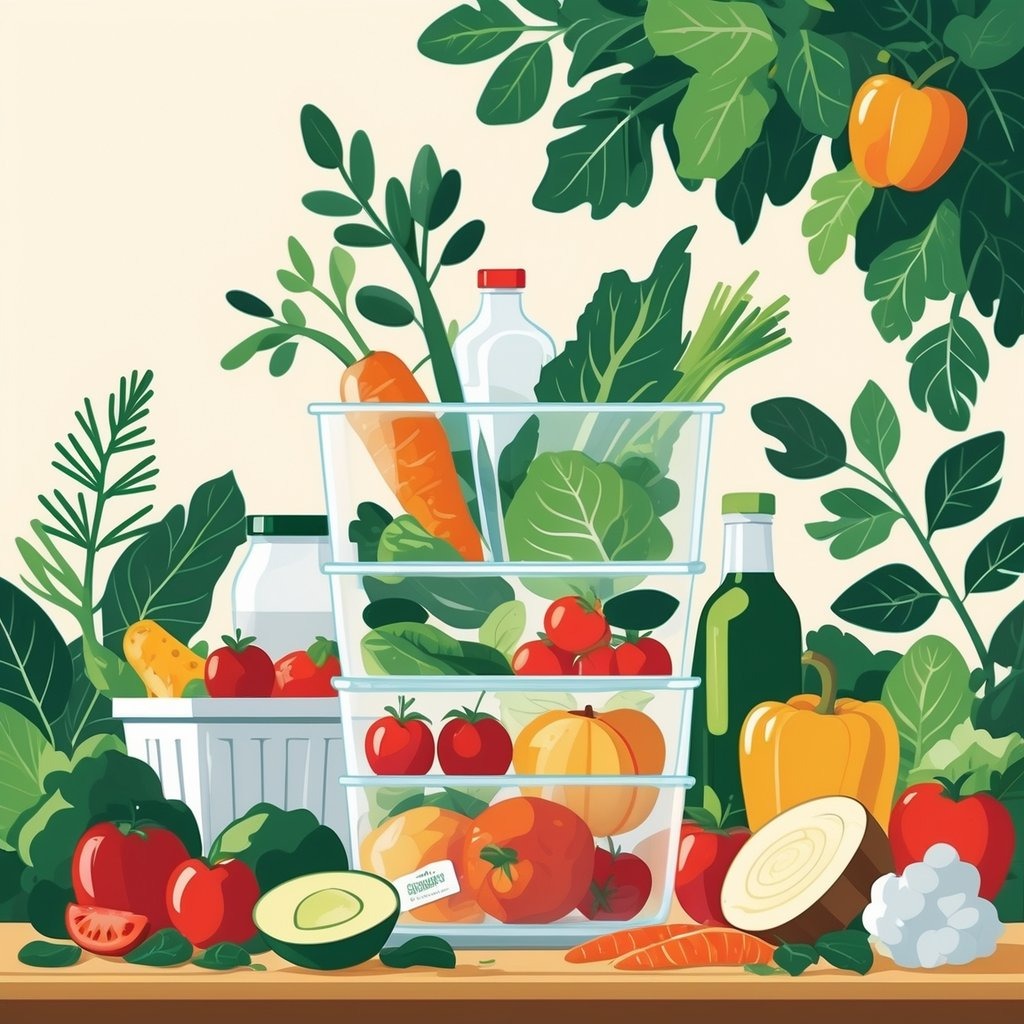
Before fixing the problem, you need a better understanding of what you're dealing with. Restaurant food waste falls into distinct categories, and knowing where waste comes from determines which solutions work best.
What is restaurant food waste?
Restaurant food waste refers to any edible food that gets thrown away instead of being served and consumed. This includes everything from vegetable scraps and potato peels during prep, to full meals that never leave the kitchen, to uneaten food customers leave on plates.
ReFED estimates that restaurants and foodservice businesses generated 12.5 million tons of surplus food in 2024, with more than 85% going straight to landfill or incineration. Less than 1% was donated—mainly because prepared food is harder to transport than raw ingredients. This excess food represents both financial loss and missed opportunities to help communities.
Pre-consumer vs. post-consumer waste

Pre-consumer food waste happens before food reaches the customer: over-ordering from suppliers, spoilage from improper storage, trimming and food scraps, kitchen errors, and food sitting too long in holding. Globally, 4% to 10% of food restaurants purchase never reaches a customer at all.
Post-consumer waste is what customers leave behind. Plate waste from oversized portion sizes dominates this category. According to ReFED, 70% of food waste in foodservice comes from plate waste—uneaten food driven by large portions, dishes that don't match preferences, and the tendency to over-order meals.
The true cost of food waste
The financial impact extends beyond food cost. When you waste food, you're wasting the labor that prepped it, energy that stored and cooked it, and water that grew it.
Industry data from RTS shows restaurants collectively spend around $162 billion yearly on waste-related costs. If your restaurant has a $1 million annual food budget and wastes 4% to 10%, that's $40,000 to $100,000 in losses before food reaches customers—before factoring labor to prep, inventory, and serve that wasted food.
Beyond finances, food waste produces methane when it hits landfills—a greenhouse gas 28 times more potent than carbon dioxide, directly contributing to climate change. Research shows 72% of diners care about how restaurants handle food waste. Reducing wasted food and running sustainable operations isn't just ethics—it's increasingly good marketing.
18 proven strategies to reduce restaurant food waste
These strategies range from no-cost mindset shifts to technology investments. Most restaurants will find several that fit their operations and budget.
1. Conduct a comprehensive food waste audit
You can't manage what you don't measure. A waste audit gives baseline data on what, when, and why you're throwing food away.
For one week, track food waste by category: prep waste (vegetable scraps, trimmings), spoilage (expired items), overproduction (prepped but not served), and plate waste (returned from customers). Weigh each category daily. The results often surprise owners—you might discover 60% of waste comes from just a few items.
2. Implement effective inventory management
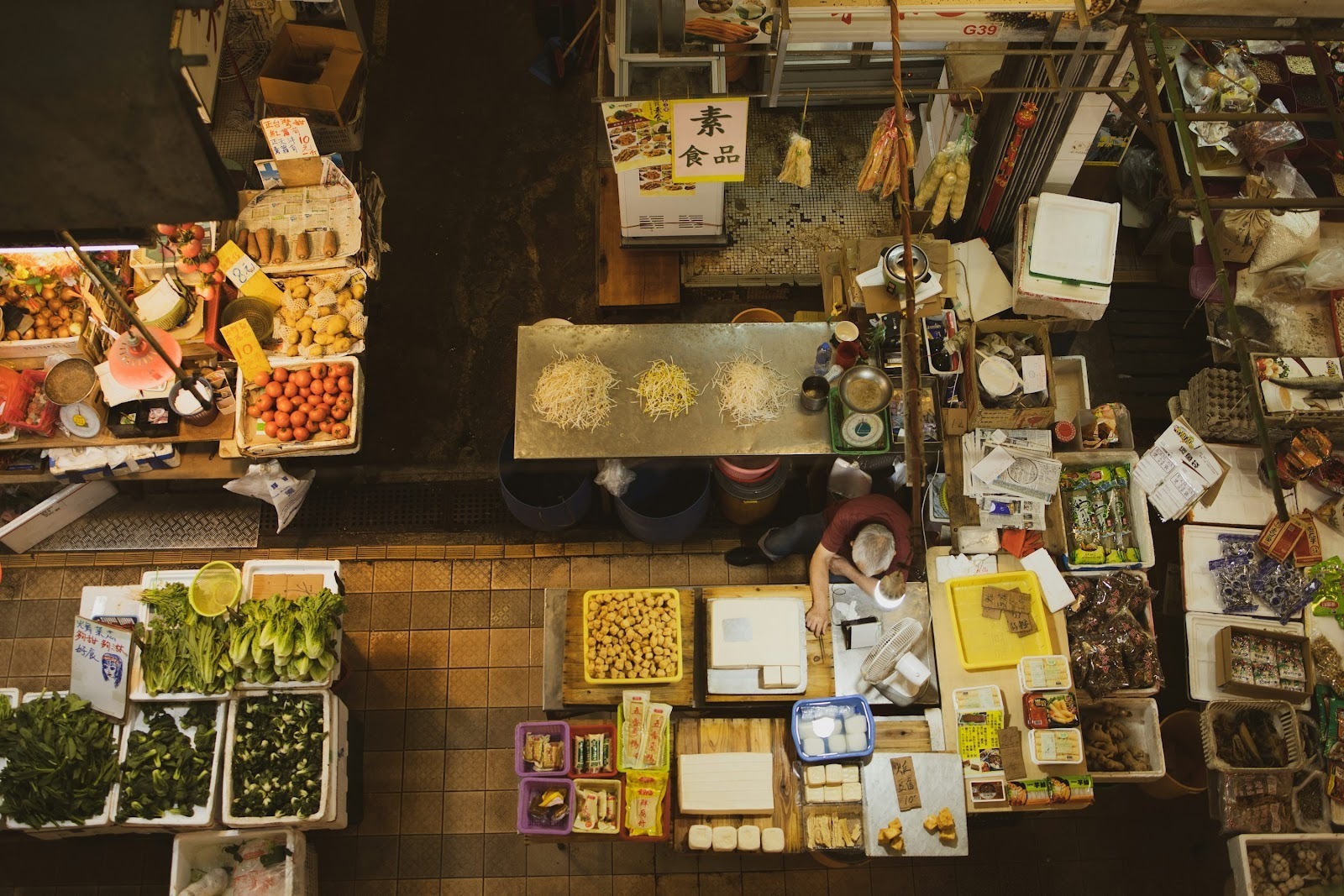
Good inventory management is the backbone of waste reduction. Set par levels based on actual sales data, not guesswork. Review weekly and adjust seasonally. The goal is to order only what you need.
Track food waste tonnage by item to identify chronic problems. If you're consistently throwing away the same ingredients, you're either ordering too much or not rotating properly. Software solutions can automate tracking, but even simple spreadsheet discipline helps reduce food loss.
3. Use the FIFO method
First in, first out seems obvious, but requires constant reinforcement. Older inventory gets pushed back when new deliveries arrive, then forgotten until past its prime.
Label everything with receipt dates. Put new items behind old ones. Train every team member to rotate stock consistently to extend shelf life. Some operations use color-coded labels (Monday is blue, Tuesday green) to make FIFO visual and automatic.
4. Optimize portion sizes
Oversized portions cause plate waste. American restaurants are notorious for serving too much portions often exceed USDA standards by two to eight times, leaving customers with more food than they can finish.
Analyze what's coming back on plates. If dishes consistently return half-eaten, reduce portion sizes and offer seconds for bigger appetites. Consider using smaller plates to make appropriate portions look satisfying. Use standardized portioning tools scales, scoops, measured ladles—to ensure consistency and serve less food that ends up thrown away.
5. Design waste-conscious menus
Smart menu design uses ingredients across multiple dishes. Look at your menu with fresh eyes. If an ingredient appears in only one dish and sells slowly, it may spoil. Cross-utilize by building dishes around shared components.
Keep menus tight. Fewer items make the process easier and reduce waste risk. Each additional menu item requires dedicated inventory that may not sell. Use menu engineering techniques to identify which items to keep, modify, or remove.
6. Train staff on waste reduction
Culture change requires training. Make waste reduction part of onboarding, not an afterthought. Explain the "why" (financial and environmental), then get specific about the "how." A comprehensive restaurant training manual should include food waste protocols.
Dan Simons, co-owner of Founding Farmers Restaurant Group, emphasizes: "Culture is at the root of any result. Goal setting is easy. What really matters is integrating habits, routines, processes, and measures. For us, this starts at orientation, and even before that—during the interview process."
7. Forecast demand accurately using reservation data
You can't prep the right amount without knowing how many people are coming. Historical reservation data shows patterns: busy Saturdays, slow Tuesdays, holiday surges. Use this to improve demand forecasting and prep accordingly.
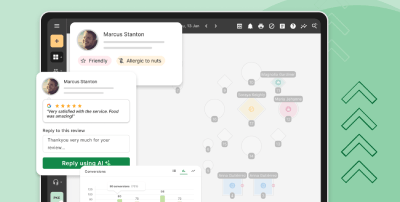
Guest preference tracking adds another layer. If your system tracks dietary preferences and allergies, you can anticipate orders and prepare with greater precision, ensuring you prepare only what you'll actually serve. Learn more about how to forecast restaurant sales effectively.
8. Proper food storage practices
Improper storage turns fresh ingredients into garbage faster than almost anything. Store food properly with correct temperatures throughout storage areas. Walk-ins should stay between 35°F and 38°F. Check temperatures daily to maintain food safety.
Organize storage logically. Raw proteins below ready-to-eat items. Clearly labeled containers with prep dates. Covered items to prevent drying. These basics extend shelf life and protect food safety standards.
9. Repurpose leftover ingredients creatively
What looks like waste might be an ingredient waiting for the right application. Vegetable scraps make stock. Bread ends become bread pudding or croutons. Coffee grounds can be composted or used in dry rubs. Potato peels—often thrown away by the pound—can be fried into crispy snacks.
Massimo Bottura, chef behind three-Michelin-starred Osteria Francescana, has built his philosophy around this: "What you think is food waste is just an opportunity to create something amazing."
10. Create daily specials from surplus ingredients
Daily specials move inventory that needs to be used, add variety for regulars, and let cooks flex creativity. Train kitchen staff to identify candidates during prep or inventory checks—proteins approaching use-by dates, vegetables that won't stay pretty much longer, and any extra food that needs attention. Consider exploring profitable menu items that can help reduce waste while maintaining margins.
11. Use waste tracking technology
Waste tracking apps and connected scales let you log waste in real time. Data flows into dashboards showing trends, problem items, and savings. Compass Group USA reported a 33% reduction in food waste across its U.S. cafes after implementing waste tracking. When operators see real numbers, behavior changes. Explore restaurant analytics software to find the right solution for your operation.
12. Source seasonal and local ingredients
Buying from local suppliers typically means fresher ingredients with more remaining shelf life. Seasonal ingredients taste better and last longer. Local relationships also provide flexibility—when you're overstocked, a nearby farmer might trade or adjust orders quickly.
13. Offer flexible portion options
Give customers control. Smaller portions at lower prices, half sizes, or mix-and-match options let guests order what they can actually eat. Train servers to ask questions: "Are you looking for a light meal or something hearty?" Good customer service includes helping guests make appropriate choices.
14. Encourage customers to take leftovers home
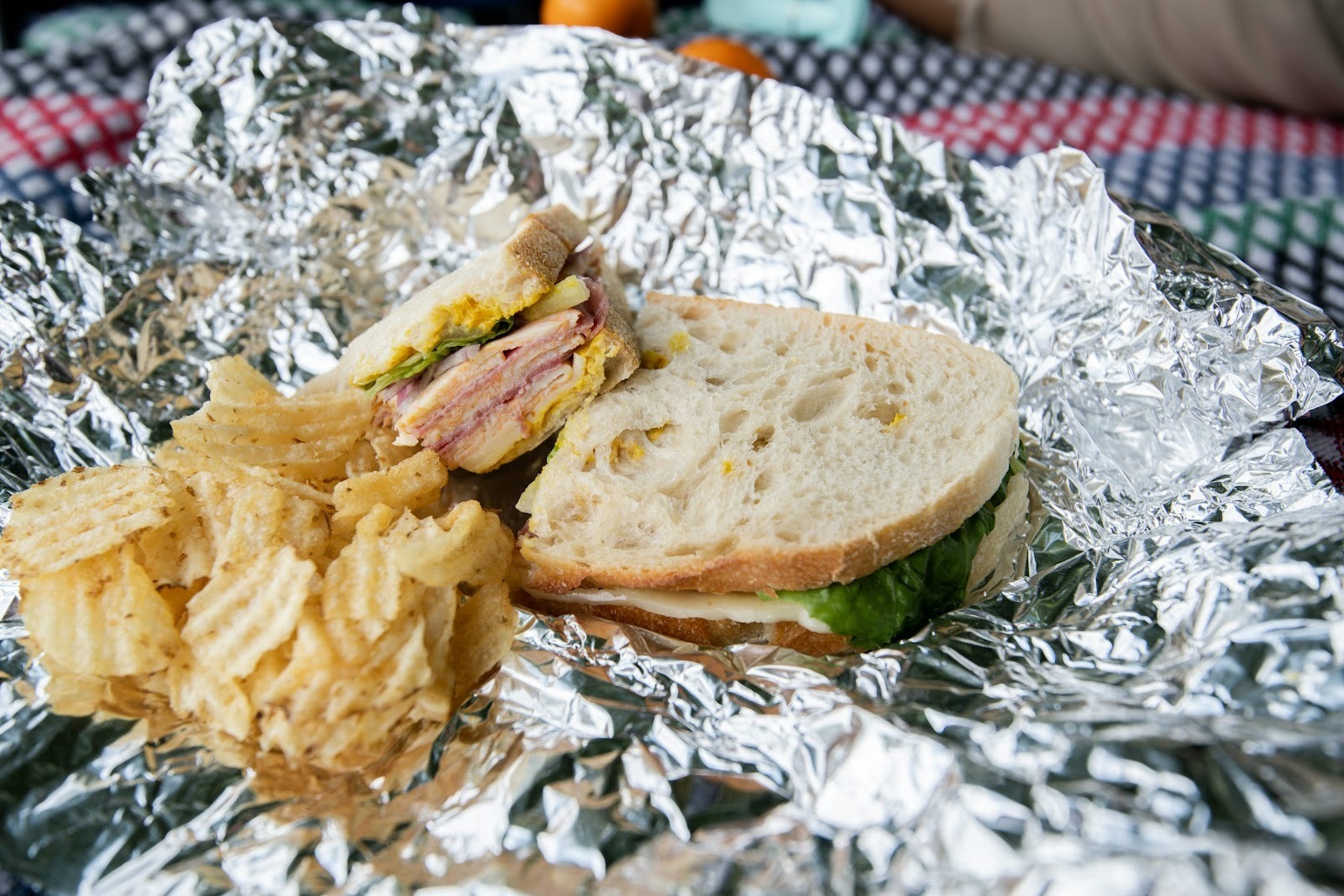
Make it easy for customers to take uneaten food home. Train servers to offer containers proactively: "Would you like me to wrap that up for you?" Keep reusable containers or eco-friendly packaging on hand. Encourage guests to bring leftovers home rather than leaving meals behind.
15. Donate surplus food
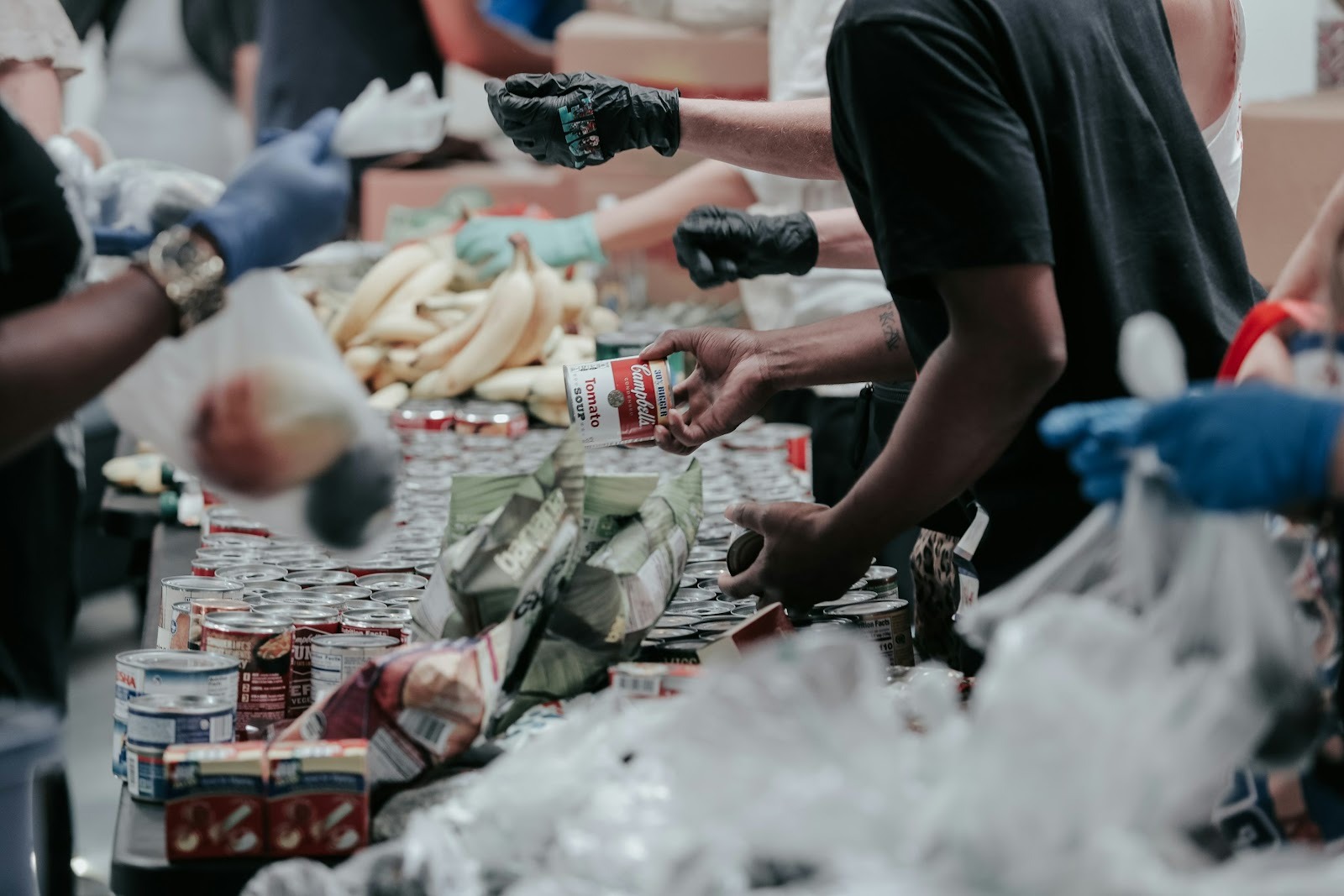
Extra food doesn't have to become waste. Food banks and rescue organizations can get your surplus to people experiencing food insecurity. The Bill Emerson Good Samaritan Food Donation Act protects restaurants from liability when donating food in good faith. Build relationships with food donations organizations and other organizations before you need them.
16. Start a composting program
For unavoidable waste like coffee grounds and vegetable scraps, composting keeps organic material out of landfills where it would generate methane and contribute to greenhouse gas emissions. Find local composting facilities through FindAComposter. Set up clear, easy-to-use compost bin systems in the kitchen with good signage.
17. Track waste metrics and set reduction goals
What gets measured gets managed. Set specific, realistic food waste reduction goals. Start with your audit baseline. Set reduction targets—maybe 10% in the first quarter—and track waste weekly. Share results with the team. Celebrate progress. Use restaurant data and analytics to monitor your improvement over time.
18. Use reservation analytics to predict covers
The more accurately you predict guest counts, the more precisely you can prep. Look at patterns by day of week, season, events, and weather. Connect these insights to purchasing and prep planning. If you know tomorrow will be slow, scale back prep today to reduce waste in restaurants. Modern restaurant reservation systems provide the analytics you need.
Technology solutions for waste reduction
Modern inventory management software tracks ingredients in real time, alerts you to approaching expirations, and auto-generates orders based on par levels. Waste tracking platforms with connected scales and AI analytics identify patterns humans might miss.
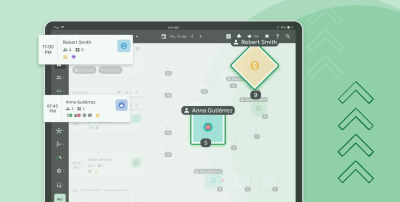
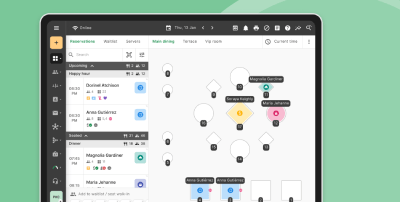
Reservation systems like EatApp offer analytics that forecast covers, identify booking trends, and even predict no-show rates—connecting bookings to prep planning for immediate waste-reduction potential. POS integrations show exactly what sold, helping build menus that are both profitable and waste-efficient.
Measuring success
Track waste volume by category and normalize per cover served. Set milestone targets—10% reduction in the first quarter, 15% by year-end. Assign accountability and share results with your team regularly.
Taking action on food waste
Reducing food waste in restaurants isn't a single project with a finish line. It's an ongoing commitment to running a smarter, more sustainable operation.
Start where you are. Pick two or three strategies from this guide that fit your situation and implement them well. Build measurement from day one. Learn from what works, then expand.
The financial case is clear: less food waste means better margins. The environmental case is compelling: reduced waste means reduced greenhouse gas emissions. Every restaurant can make progress toward reducing wasted food.
Your walk-in doesn't have to be a graveyard for forgotten ingredients. Your garbage doesn't have to overflow with wasted money. With the right systems, training, and commitment, food waste reduction becomes a competitive advantage.
The strategies are proven. The technology exists. The benefits are waiting. What are you going to do about it?
Ready to use reservation data to improve your demand forecasting and reduce waste? Try EatApp for free and see how smarter reservations lead to smarter prep.
Frequently asked questions
What are the main causes of food waste in restaurants?
Pre-consumer food waste (spoilage, over-ordering, overproduction) accounts for 4% to 10% of food purchased. Post-consumer plate waste, driven by oversized portions, accounts for 70% of foodservice waste according to ReFED.
How can technology help reduce restaurant food waste?
Inventory management software tracks stock and expirations. Waste tracking apps quantify what's thrown away. Reservation systems improve demand forecasting so you prep the right amount. POS integrations connect sales to inventory, revealing consumption patterns.
What is the first step to reducing food waste?
Conduct a food waste audit. Track and categorize everything thrown away for one week. This baseline reveals where problems lie and guides solutions.
How much can restaurants save by reducing food waste?
Research indicates $7 to $14 in savings for every dollar invested. For a restaurant wasting 4% to 10% of a $1 million food budget, that's $40,000 to $100,000 in preventable losses—before factoring labor, energy, and disposal costs.



.webp?width=314&height=175&name=e265983a-8353-4fcb-a530-cd2601c4df5d%20(1).webp)



.webp?width=144&height=72&name=Eat%20App%20Logo%20(3).webp "Eat App")