


.svg)
.svg)




















.svg)

.svg)


-2-1.webp?width=200&name=image5%20(6)-2-1.webp)
%20(1)-1.webp?width=200&name=Eat%20(57)%20(1)-1.webp)
-1.png?width=1812&height=1072&name=TripAdvisor%20%26%20More%20Bookings%20(1)-1.png)
-2.png?width=1812&height=1072&name=Google%20Bookings%20(1)-2.png)
%20(1)-1.webp?width=200&name=Eat%20(62)%20(1)-1.webp)

-1.png?width=200&name=TripAdvisor%20%26%20More%20Bookings%20(1)-1.png)
-2.png?width=200&name=Google%20Bookings%20(1)-2.png)
-1.png?width=200&name=Instagram%20Bookings%20(1)-1.png)
-1-png.webp?width=200&name=Facebook%20Integration%20Rectangle%20(1)-1-png.webp)






.webp?width=200&name=download%20(1).webp)
%20(1)-2.webp?width=200&name=Eat%20(34)%20(1)-2.webp)
%20(1)-2.webp?width=200&name=Eat%20(18)%20(1)-2.webp)







You have a killer recipe. Maybe it's your grandmother's carnitas that makes grown men weep with joy, or a gourmet burgers concept that haunts your dreams. You can practically smell the sizzle of the grill and hear the happy customers already.
Then reality hits: starting a food truck business costs serious money. We're talking $50,000 to $200,000 for a new truck, plus equipment, permits, and enough initial capital to build your customer base. That dream starts feeling more like a fantasy.
Here's the good news. Plenty of food truck owners have launched their successful food truck business with little more than determination, creativity, and careful planning. You might not have $100,000 sitting in a savings account, but that doesn't mean your food truck concept has to stay stuck in your head.
This guide walks you through practical ways to start a food truck with no money—or very little of your own. We'll cover everything from food truck financing options to scrappy cost-cutting strategies that can get you serving delicious food to potential customers sooner than you think.
What is a food truck and why consider one?
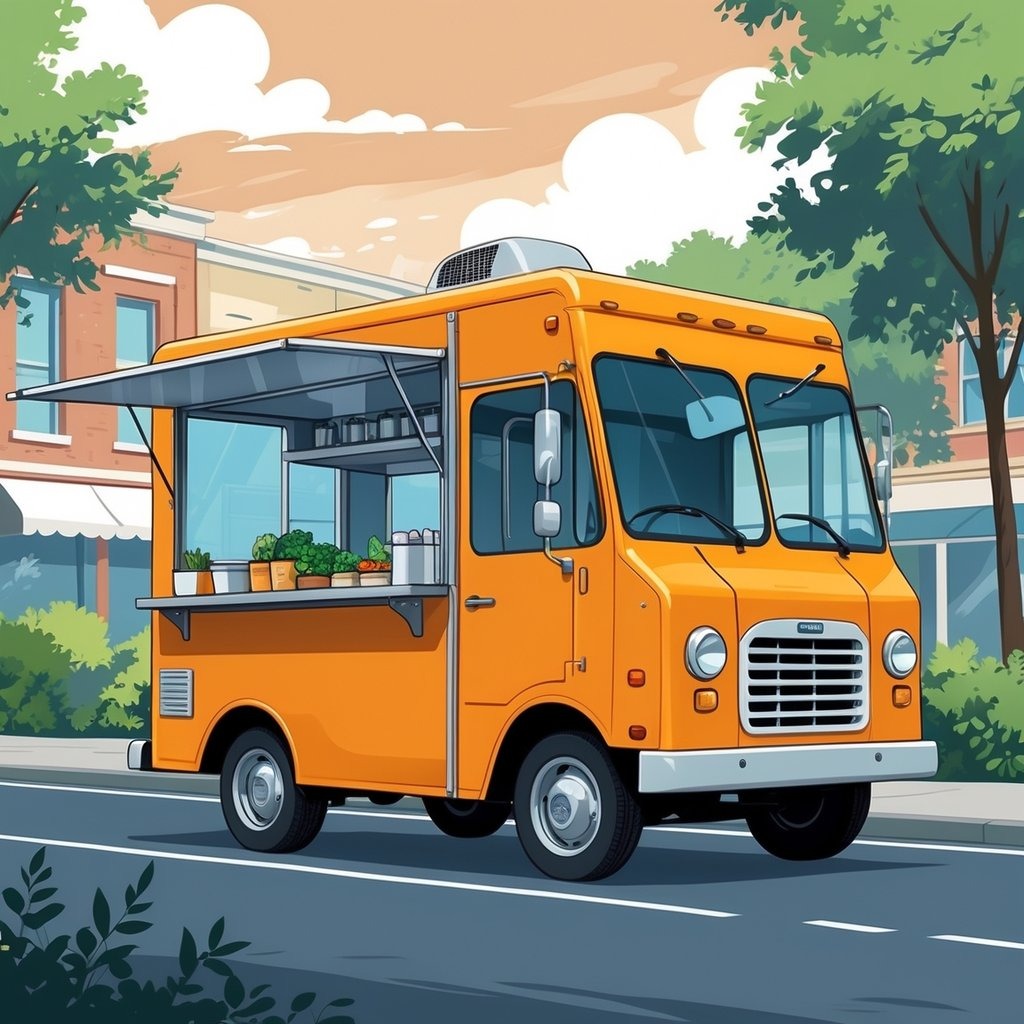
A food truck is a mobile kitchen on wheels where you prepare and serve food to customers at different locations. Unlike traditional restaurants, you bring the business directly to where the people are—festivals, office parks, high traffic areas, and local events.
The food truck industry has exploded over the past decade. According to industry data, there are approximately 58,064 food trucks operating in the US, with the number increasing by 15.9% between 2018 and 2024.
Why choose a food truck concept over a traditional restaurant?
The barriers to entry are significantly lower. Opening a brick-and-mortar restaurant in the restaurant industry can easily run you $500,000 or more. A food truck, while still a substantial initial investment, costs a fraction of that.
You also get flexibility that restaurant owners can only dream about. If one location isn't working, you pack up and move to different locations. Plus, you get to be your own boss.
Food trucks have a profit margin percentage of 6.2%, significantly higher than traditional restaurants at 1% to 3%. That's because operational costs stay lower when you're not paying rent on a 3,000-square-foot space.
As Chef Roy Choi, the godfather of the modern food truck movement and founder of Kogi BBQ, put it: "Instead of forcing your customer to come to your restaurant, why not bring the restaurant to them?"
How much does it really cost to start a food truck?
Let's get real about the numbers before we talk about how to work around them. Understanding your initial costs helps you figure out exactly how much funding you need to find.
The truck itself
This is your biggest expense. A brand new food truck runs between $50,000 and $200,000 depending on size and customization. A used truck drops that to $30,000 to $100,000. A food trailer—which you tow behind another vehicle—costs $15,000 to $100,000.
If you want to go even smaller, a food cart can cost as little as $2,000 to $5,000. That's not a typo.
Equipment and kitchen setup
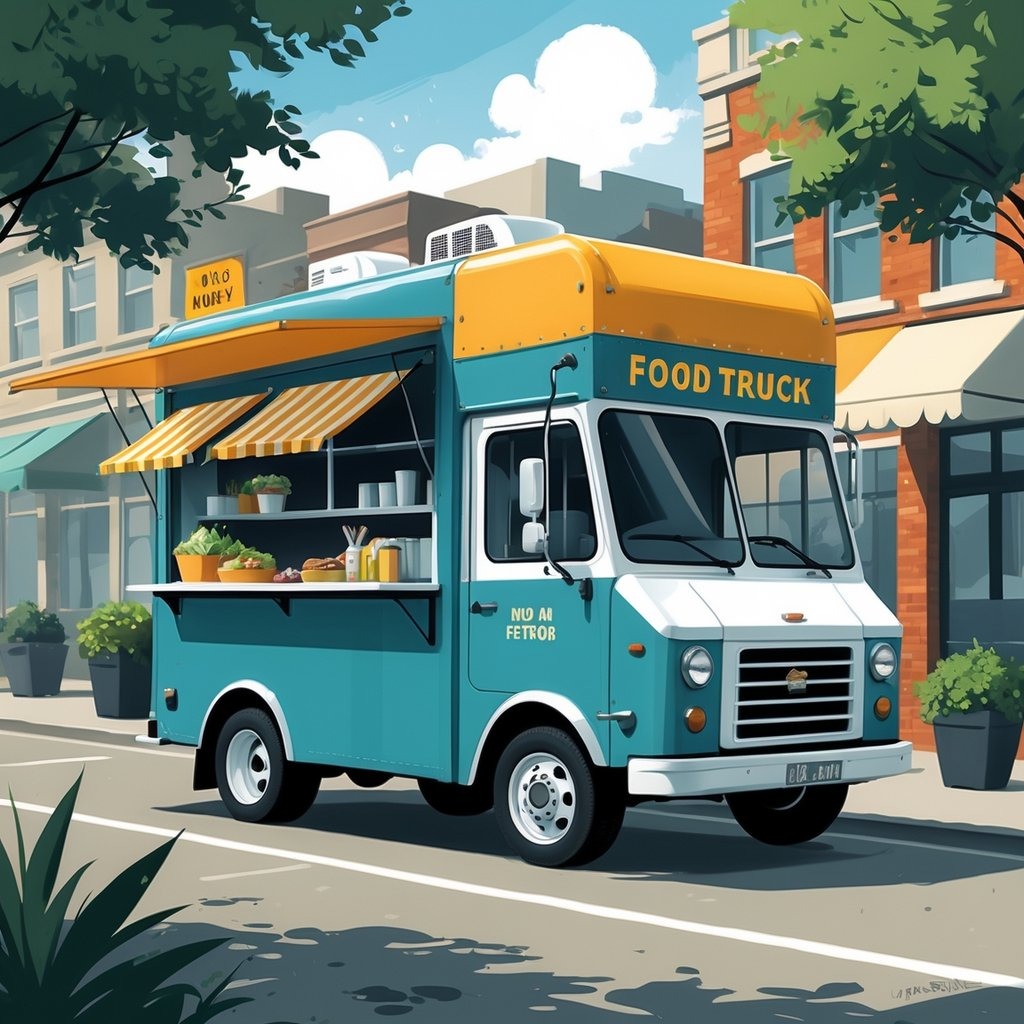
Your kitchen appliances and kitchen equipment vary depending on your food truck concept. Expect to spend anywhere from $10,000 to $50,000 on items like grills, fryers, refrigeration units, prep tables, and ventilation systems. Buying used equipment can slash these initial expenses significantly.
Permits, licenses, and legal requirements
Here's where costs can surprise you. A business license might cost $50 to $500. Health department permits range from $100 to $1,000 or more. Your mobile food vendor permit fees vary depending on city and zoning laws.
How wildly? According to the U.S. Chamber of Commerce Foundation, on average, aspiring entrepreneurs seeking to start a food truck and maintain it will need to hop through 45 regulations, wait 37 business days, and shell out nearly $28,276.
Some cities are cheap—Minneapolis charges around $590 for permits. Others are brutal—Boston can run you over $17,000 in permit costs alone. Do your market research on local regulations before committing to a location.
Monthly operating costs- Food truck financing
Once you're rolling, expect to pay $5,000 to $15,000 per month in operational costs. This covers food costs, fuel, commissary kitchen rental, labor, liability insurance, and marketing.
10 ways to start a food truck with little or no money
Now for the part you actually came here for. These strategies have helped aspiring entrepreneurs turn their food truck dreams into reality without emptying their savings accounts.
1. Start with a food cart or stand first
This is the minimum viable product approach. A food cart or stand lets you test your food truck concept with minimal initial investment. You can serve food at farmers markets, local events, or street fairs for a fraction of what a truck would cost. If your concept works, you'll generate the cash flow to upgrade later.
2. Join a restaurant incubator program
Restaurant incubators provide shared kitchen space, equipment, mentorship, and sometimes funding to help new food entrepreneurs get off the ground. Many cities have programs specifically designed for food sector. Search for "food business incubator" plus your city name.
3. Apply for SBA and small business loans
The Small Business Administration offers several loan programs for food truck financing. SBA 7(a) loans provide flexible funding up to $5 million with competitive interest rates. SBA Microloans offer up to $50,000 with lower qualification thresholds, making them accessible for new small business ventures.
Your food truck business plan and financial projections need to be solid to attract potential investors and lenders. This business decision requires thorough preparation.
4. Launch a crowdfunding campaign
Online platforms like Kickstarter, Indiegogo, and GoFundMe have helped countless food truck owners raise their initial capital. Tell your story. Show people your passion. Let them taste your food at pop-up events. When people feel invested in your success, they're more likely to back your funding request.
5. Find investors or business partners
Consider approaching friends and family who understand your vision. Look for a business partner with complementary skills. Join your local restaurant association to network with industry experts who might know potential investors.
A solid business plan that includes market analysis and realistic financial projections will help you attract potential investors far more than enthusiasm alone.
6. Rent a food trailer instead of buying
Why take on the huge initial investment of buying when you can rent equipment instead? Food truck rental typically costs $2,000 to $3,000 per month. Not everyone has the capital to buy outright.
Rental lets you test your concept, build your customer base, and generate revenue before committing to a purchase. After 6-12 months of successful operation, you'll have cash flow and a track record that makes getting a loan much easier.
7. Buy a used food truck
A used truck at $30,000 to $70,000 beats a new one at $100,000 or more. Check online platforms, classified ads, and food truck marketplaces. Have a mechanic inspect any used truck before purchase.
Roaming Hunger reports that many successful food truck entrepreneurs started by finding deals on used equipment. As one owner they surveyed shared: "We started on a shoestring budget and had nothing saved. Have a fat cash reserve to allow for any contingencies."
8. Apply for food truck grants and contests
Free money exists. Food truck grants from local governments, nonprofit organizations, and private companies can provide capital without repayment obligations. Some cities specifically offer grants for food entrepreneurs from underrepresented backgrounds.
9. Use rent equipment financing
Equipment financing lets you spread the cost of kitchen equipment over time. The equipment serves as collateral, which often makes approval easier. Equipment loans offer up to $5 million per item, with rates starting at 3.5% and terms of 1-6 years. This helps you save money on upfront costs.
10. Leverage 0% APR credit cards strategically
Some business credit cards offer 0% APR introductory periods of 12-18 months. If you can pay off the balance before the promotional period ends, you've essentially gotten an interest-free loan. Just know exactly when that promotional rate expires.
Steps to launch your food truck successfully
Getting the money is only part of the equation. Here's how to actually run a food truck successfully and get rolling.
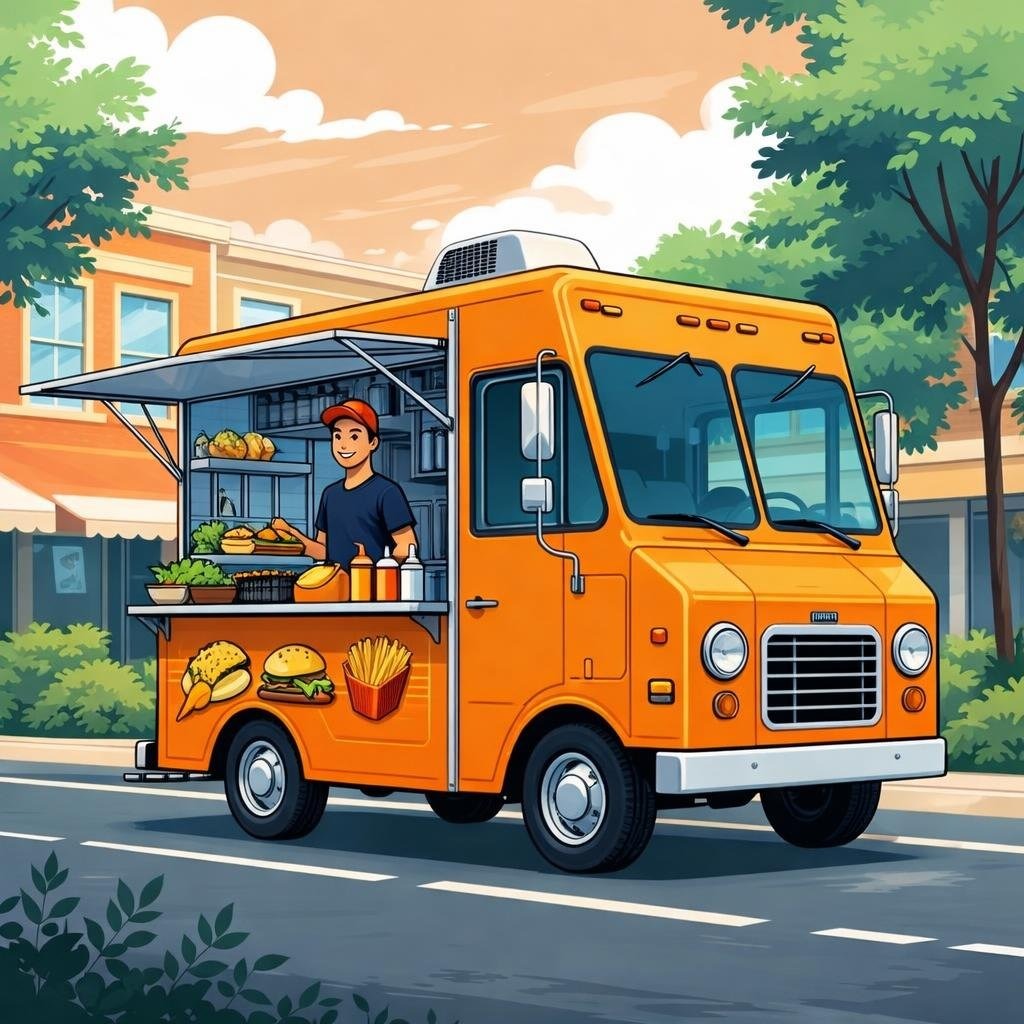
Conduct market research and validate your concept
Before you spend a dime, make sure people actually want what you're selling. Visit local events where other food trucks operate. Talk to food truck operators about what works in your area. Identify gaps in the market that your target market could fill. Understand your target market and target audience thoroughly.
As Ian So, owner of The Chicken & Rice Guys, advises: "One can never know how people will respond to a concept, but ample market research and testing your food with friends, foodies, industry experts, etc., can really help evaluate a concept."
Test your menu at pop-ups or catering gigs. Get honest feedback. Refine your offering based on what potential customers actually say, not what you hope they'll like.
Write a solid food truck business plan
Your business plan isn't just paperwork—it's your roadmap. Include an executive summary, company description, market analysis, organizational structure, description of your food truck concept, marketing strategy, funding request, and financial projections.
Be realistic about costs and revenue. Overly optimistic projections might feel good but won't help you when cash flow gets tight.
Secure your funding
Apply for the financing options that make sense for your situation. Gather required documents: bank statements, tax returns, and your business plan.
Be prepared for rejection. Keep applying.
Get your permits and licenses
Work through your local regulations and legal requirements systematically. You'll need a business license, employer identification number (EIN), mobile food vendor permit, health department permit, and fire safety certificate at minimum.
Many areas require a commissary agreement with a licensed commercial kitchen. Factor this into your operational costs. Health inspections will be ongoing, so budget accordingly.
Source your truck and equipment
Whether you're buying, renting, or financing, get the best equipment you can afford. Don't skimp on refrigeration or food safety items—health inspections can shut you down fast.
Consider buying used equipment for non-critical items. Prep tables don't need to be new.
Set up your technology
Modern food trucks need more than just a grill. A good POS system helps you accept payments, track inventory, and understand your sales patterns. Online ordering systems let customers pre-order convenient meals for pickup, reducing wait times and increasing sales.
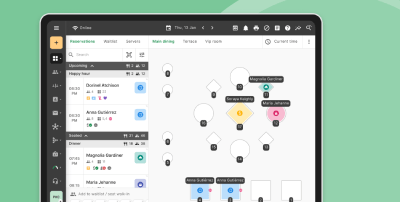
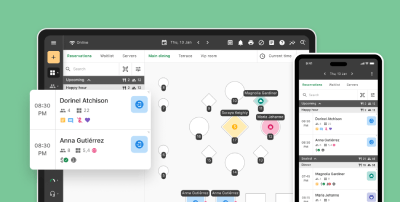
For food truck operators doing catering or working events, reservation and booking management becomes a game-changer. EatApp helps food truck businesses manage catering reservations, pre-orders, and waitlists—keeping operations smooth even during your busiest rushes. When you're running a one-truck operation, technology that handles the admin stuff means you can focus on cooking great food.
Launch and market your business
Build your social media presence before you open. Post about your journey—people love watching a food business come together. Announce your opening location well in advance.
Build local partnerships with local businesses and event organizers. Create a loyalty program to encourage repeat business and retain customers.
Minimize costs and maximize your chances
A few final tips to help you save money and run your food truck successfully:
Keep your menu focused. Fewer items means less food waste, faster service, and lower inventory costs. You can always expand later. Consider using a food cost calculator to optimize your menu engineering.
Location matters enormously. Finding high traffic areas where your target audience gathers can make or break your business. Track which spots perform best and prioritize them. Watch where other food trucks succeed and learn from them.
Build local partnerships with other food trucks, nearby local businesses, and event organizers. Collaboration beats competition when you're just starting out in the food service industry.
Provide excellent customer service every single time. In the food truck business, word of mouth is everything. One bad experience spreads faster than one good one.
Track everything. Know your food costs, your busiest hours, and your best-selling items. Other factors like weather and seasonal events will impact sales too. Use restaurant analytics to make data-driven decisions.
Is it really possible to start a truck with no money?
Let's be honest: starting with literally zero dollars isn't realistic. You'll need some money for licensing, initial inventory, and basic operations. But starting with very little personal capital? Absolutely possible.
The path to a successful food truck business doesn't require a trust fund. It requires careful planning, creative financing, and the willingness to start smaller than your ultimate vision.
Plenty of food truck owners started exactly where you are now—big dreams, limited funds, and enough determination to figure it out. The food truck industry keeps growing because there's room for new operators with fresh concepts and the hustle to make them work.
Your gourmet burgers or grandmother's carnitas deserve their moment. With the right approach, you can make it happen.



.webp?width=314&height=175&name=e265983a-8353-4fcb-a530-cd2601c4df5d%20(1).webp)


.webp?width=144&height=72&name=Eat%20App%20Logo%20(3).webp "Eat App")